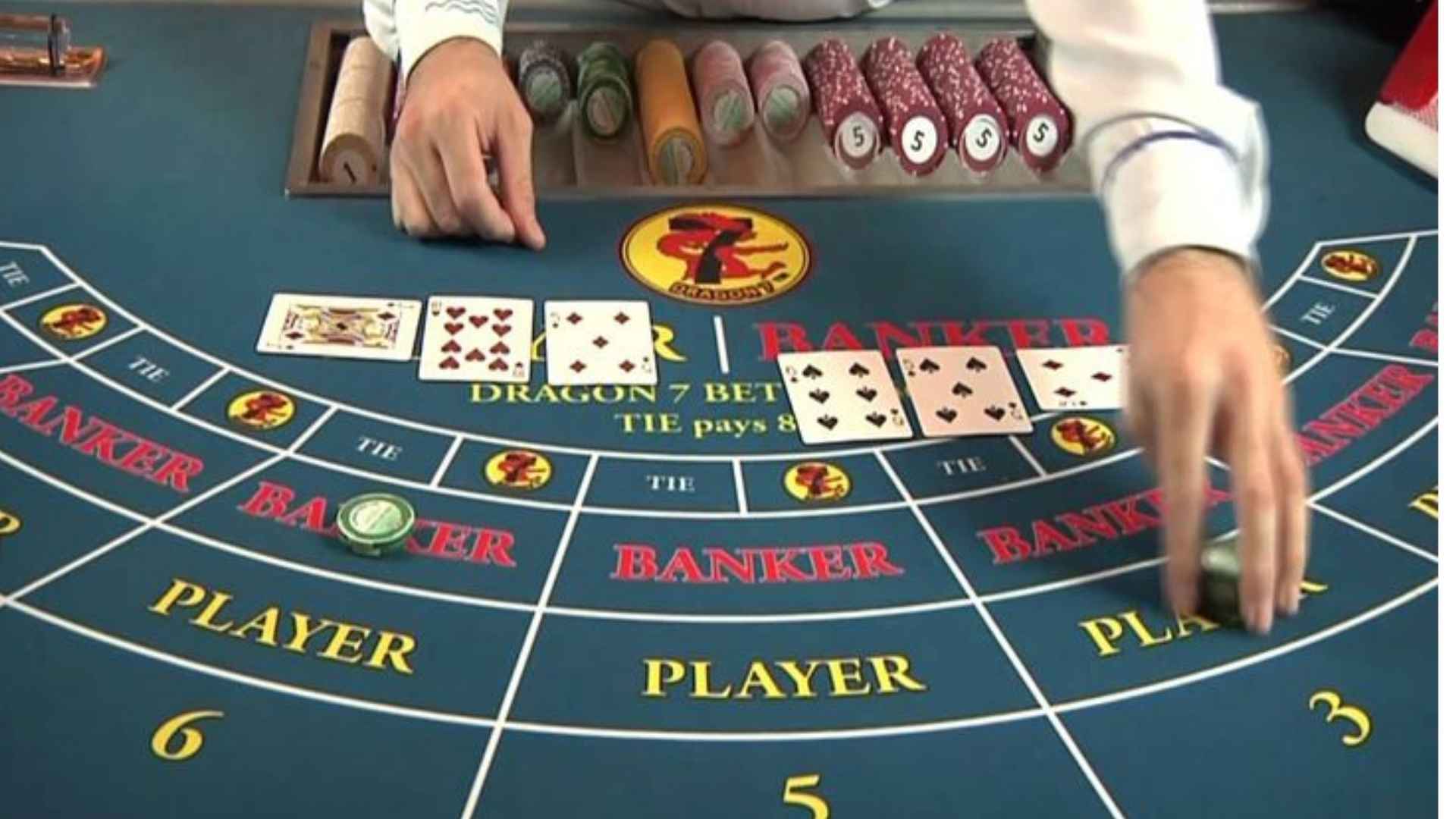
The game of dominoes is much more than a simple pastime or a casual way to pass the evening with friends and family. At its core, the game requires players to consistently evaluate risks, recognize patterns, and make quick decisions based on limited information. By practicing these tactical elements on the table, players can actually train their brains to handle complex challenges in their personal and professional lives.
Developing Strategic Foresight and Anticipation
In dominoes, success depends heavily on your ability to think several moves ahead of your current turn. You must constantly analyze which tiles have been played and predict what options your opponents might hold in their hands. Developing this level of foresight directly translates to better preparation and planning when managing real-world projects or household budgets.
Furthermore, learning to anticipate problems before they arise allows you to stay calm under intense pressure. Instead of simply reacting to changes as they happen, you learn to establish a proactive mindset that keeps you in control. This forward-thinking approach is a crucial asset for navigating modern life and making calculated choices.
Enhancing Risk Assessment and Probability Skills
Every single turn in a dominoes match presents a unique set of risks and potential rewards. You must determine whether to play a high-scoring tile early to reduce your point total or hold onto it to block your opponent's path later. This continuous assessment of probability mirrors the everyday financial decisions we make, such as investing money or choosing insurance plans.
To explore more about strategic environments and interactive platforms, visiting M88.com can offer valuable insights into how systems of probability work. Engaging with structured rule sets helps sharpen your critical thinking and improves your comfort level with statistical risks. Over time, this calculated training makes you less likely to fall victim to impulsive decisions.
Improving Adaptability in Shifting Environments
Even the most meticulously planned dominoes strategy can be ruined by a single unexpected move from an opponent. When this happens, successful players do not panic; instead, they immediately adapt their tactics to fit the new layout of the board. Cultivating this level of flexibility is essential for handling unexpected career changes, sudden market shifts, or personal emergencies.
Remaining stubborn and sticking to a failing plan will only guarantee defeat on the board and in life. By learning to accept unexpected challenges as opportunities for growth, you build long-term emotional resilience. Embracing flexibility ensures that you can always find a creative path forward, no matter how difficult the circumstances may seem.