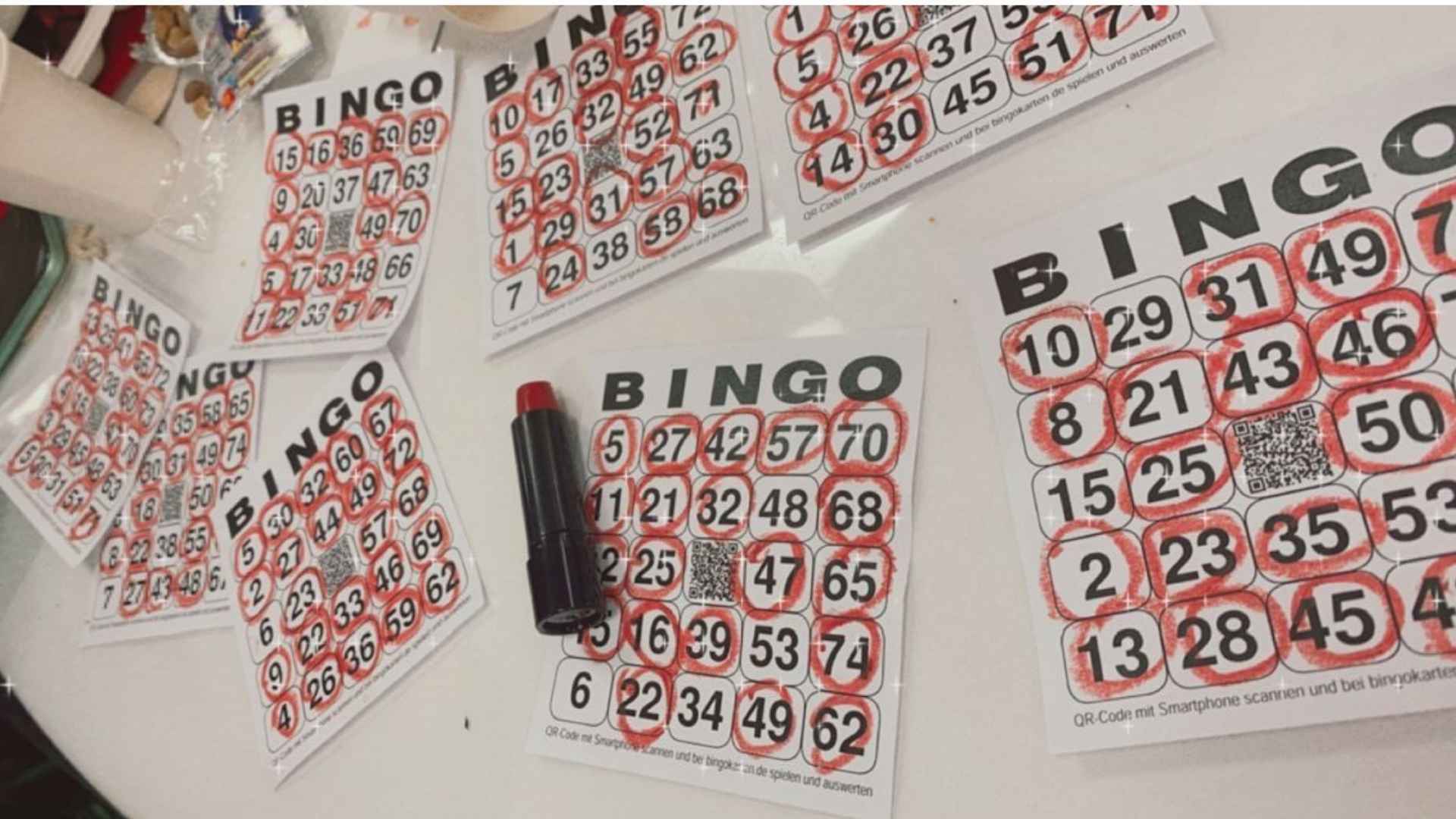
Competitive dice games often spark lively debates regarding whether victory stems from genuine tactical mastery or sheer random fortune. While the physical roll of a die is inherently unpredictable, the decisions a player makes before and after that roll dictate long-term success. Understanding how variance interacts with strategic decision-making allows modern gamers to elevate their performance in organized tournaments.
Understanding Probability and Variance in Play
Every die roll introduces a degree of randomness that no amount of preparation can completely eliminate. However, skilled competitors view each roll not as an isolated outcome, but as a data point within a broader statistical distribution. By calculating expected outcomes, players position themselves to capitalize on favorable odds over time.
variance can cause short-term setbacks, but long-term results inevitably favor those who make mathematically sound choices. Expert players focus on minimizing downside risks while keeping options open for unexpected opportunities. This analytical mindset separates casual hobbyists from seasoned tournament competitors.
Risk Management and Tactical Adaptability
Mastering dice mechanics requires a deep commitment to flexible risk management strategies during high-pressure matches. Players must constantly weigh the potential reward of a risky roll against the safety of a conservative alternative. Knowing when to push your luck and when to consolidate points defines elite play.
Adaptability is equally essential when original plans fail due to poor random outcomes. Top competitors swiftly recalibrate their strategy based on current table conditions rather than dwelling on unfortunate rolls. Analyzing competitive insights on platforms like man888 helps players refine these crucial risk-assessment skills.
Psychological Factors and Reading Opponents
Beyond numbers, competitive dice play heavily involves human psychology and emotional control under pressure. Managing tilt after a series of terrible rolls is vital for maintaining strategic focus throughout a tournament. Maintaining composure prevents emotional mistakes that often lead to total defeat.
Furthermore, observing opponents provides valuable clues about their comfort levels with risk and uncertainty. Recognizing when a rival is panicking allows tactical players to apply additional pressure during key turns. Psychological resilience often turns the tide in closely contested tabletop matches.
The Long-Term Dominance of Skill
While a novice can certainly win a single game through lucky rolls, consistent tournament performance demands refined skill. Over multiple rounds, statistical variance levels out, revealing the true gap in player expertise. Skill ultimately manifests in resource allocation, probability manipulation, and decisive positioning.
Ultimately, competitive dice play represents a delicate harmony between unpredictable elements and controlled execution. Players who respect the role of chance while mastering tactical strategy consistently rise to the top. Balancing luck and skill is what makes dice gaming endlessly fascinating.